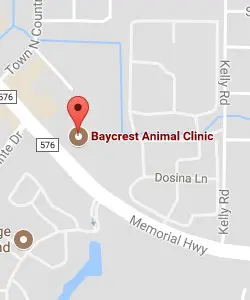



Dogs are masters at hiding pain, which can make it difficult for owners to know when something is wrong. At Baycrest Animal Clinic, our Town N Country, FL veterinarians emphasize the importance of recognizing signs of pain in dogs early. Identifying discomfort promptly can lead to quicker treatment, reduced suffering, and a healthier, happier dog.
This blog will help you spot common dog pain symptoms, learn how to tell if a dog is in pain, and understand dog health warning signs that require veterinary attention. By paying close attention to behavior, mobility, and routine habits, you can catch problems early and ensure your dog receives the care it needs.
Unusual Posture
Dogs that are in pain often stand or sit in a stiff, hunched position. Fido may arch his back, hold his head down, or even press himself into a wall or corner.
Unusual Behavior
Being in pain doesn’t exactly improve anyone’s mood. Fido may withdraw, or he may act uncharacteristically sullen and moody. If you touch a sensitive area, your dog may shy away or snap at you. He may also exhibit restlessness.
Uncharacteristic Vocalizations
Pay attention to anything out of the ordinary for your canine companion. Fido may whine, whimper, or howl if he is not feeling well. When touched, he may growl.
Poor appetite
With Fido, a lack of interest in dinner is almost always a red flag. While an occasional upset stomach is not unusual, persistent or severe vomiting and/or diarrhea may indicate a problem. Changes in your pet’s eating habits may also indicate a problem.
Heavy/Unexplained Panting
It’s normal for Fido to pant a little when he’s hot, or after chasing the neighbor’s cat out of the yard at full speed for the umpteenth time that day. However, continuous panting, particularly in cooler weather, is not normal.
Mobility Issues
Pain can have a huge effect on how your pup just goes about his day. Fido may have trouble going up and down stairs, or he may have difficulty getting up or down. Limping is another indication of trouble.
Posture
Twitching, trembling, stumbling, and shaking are all red flags. Fido may stand in an awkward position or be hesitant to walk, run, or play.
Licking
Dogs frequently lick or nibble at areas that hurt them. Fido may be concerned about his paws, legs, side, or the base of his tail. This may not be an emergency, but it’s a sign that something is going on, and it’s time to make an appointment.
Pet MD has an article about this, which you can read here. Learn more about recognizing signs of pain in dogs at the Cornell University College of Veterinary Medicine website here.
FAQ
What are some other common signs of pain in dogs?
Signs can vary depending on the type and severity of pain. Common indicators include limping, difficulty standing or lying down, whining or vocalizing, changes in appetite, and increased aggression or withdrawal. Some dogs may lick, chew, or bite at the painful area repeatedly.
How does behavior change when a dog is in pain?
Dogs in pain often display unusual behavior, such as restlessness, hiding, or reluctance to move. They may show irritability toward family members or other pets, sleep more than usual, or avoid activities they normally enjoy. Behavioral changes are often the first clue to discomfort.
Are there common signs of pain in senior dogs?
Yes. Older dogs may exhibit subtle signs like stiffness, difficulty climbing stairs, decreased interest in walks, or reluctance to jump. These can indicate arthritis or other age-related conditions. Regular check-ups with your veterinarian are essential to monitor and manage pain in senior pets.
Can I detect internal pain?
Some internal pain may be harder to observe. Symptoms can include vomiting, diarrhea, panting, drooling, or changes in breathing patterns. Always consult a veterinarian if you notice unusual behaviors or health changes, even if there are no obvious external signs.
Should I check for pain in pocket pets?
Absolutely. Even small animals like hamsters, Guinea pigs, or rabbits can experience pain, often indicated by hiding, decreased activity, loss of appetite, or changes in grooming habits. A veterinarian familiar with pocket pets can provide guidance and appropriate care.
When should I contact my veterinarian?
Any consistent signs of pain or sudden changes in behavior should prompt a call to your veterinary clinic. Early intervention can prevent worsening conditions, improve recovery, and ensure your dog or small pet maintains a good quality of life.
What steps can I take at home to help a dog in pain?
Ensure your dog has a comfortable resting area, maintain consistent routines, and monitor for worsening symptoms. Avoid giving human medications unless explicitly instructed by your veterinarian. Documenting changes in behavior or mobility can help your veterinarian provide accurate treatment.
Schedule an Appointment at Our Town N Country Vet Clinic
Recognizing signs of pain in dogs is critical for maintaining your pet’s health and comfort. Early detection of dog pain symptoms allows for timely veterinary care, reducing suffering and supporting recovery. Observing behavior, mobility, and eating habits can provide important clues about your dog’s well-being.
Are you looking for a trusted veterinary clinic in Town N Country, FL? You could try searching for a vet near me, or simply call Baycrest Animal Clinic to schedule an appointment and get professional guidance on monitoring and managing your dog’s health.
This blog is for informational purposes only. Always consult your veterinarian for proper medical advice, diagnosis, or treatment plan for your pet, and follow their professional guidance.
Do you want to learn more about our Town N Country pet hospital? You can get a great overview at our Service page here. Or, find out about our Critical Care services here.