


Heartworm is a serious and potentially life-threatening condition for dogs, but with proper care, it is preventable. In some areas where the parasite is endemic, dogs are almost guaranteed to contract heartworm if they are not given preventative medication. Fortunately, heartworm is also preventable! In this article, your local veterinarian discusses some of the facts about this deadly parasite. At Baycrest Animal Clinic, our Town N Country, FL veterinarians emphasize the importance of understanding dogs and heartworm to keep your furry friend healthy and protected year-round. Preventive measures, early detection, and proper treatment are key to maintaining your dog’s health and well-being.
This blog is structured as an FAQ to provide answers to common questions about heartworm prevention for dogs, signs of heartworm in dogs, and guidance on treating heartworm disease in dogs.
Heartworm Basics
Heartworm is, as the name implies, a parasite that can infect your dog’s heart. Fido’s lungs and blood vessels may also be compromised. Left untreated, heartworm can cause serious health problems such as heart failure, collapse, and even death.
Transmission
Heartworm is transmitted by mosquitos. Infected mosquitos carry heartworm larvae, which are then transmitted via bites. While dogs in some areas may be more vulnerable than others, heartworm can infect dogs in any state.
Symptoms of heartworm
The early stages of heartworm infestation are asymptomatic. As the infection progresses, dogs will develop symptoms of illness. Coughing is an indication of a heartworm infestation. Dogs with heartworms may tire easily, and thus be reluctant to exercise. Loss of appetite, vomiting, lethargy, and weight loss can also indicate infestation.
Treatment
While heartworm infestations are easy to prevent, they can be very expensive and difficult to treat. That said, heartworm can be successfully defeated, though in severe cases the treatment can be very intense and invasive for poor Fido. Treatment options range from medication and restriction of activity to confinement and even surgery. The exact course of action needed will depend on the severity of the infestation. It is important to realize that heartworm infestations can have lasting effects, even if treatment is successful. Dogs that have had heartworm may be put on a special diet, and may be restricted from vigorous exercise after the heartworms are gone.
Prevention
As the old saying says, an ounce of prevention is worth a pound of cure. This is certainly the case when it comes to heartworms! Your vet can easily protect your dog from this terrible parasite with preventative medicine. Remember, having Fido screened regularly for heartworm is crucial to your furry pal’s health, as early detection greatly increases the odds of successful treatment.
Learn more about heartworms and associated symptoms at the American Heartworm Society here. PetMD has an article explaining the various options for heartworm treatment here.
FAQS
What is heartworm and how do dogs get it?
Heartworm disease is caused by parasitic worms transmitted through mosquito bites. The larvae travel through the bloodstream to the heart and lungs, where they mature and can cause severe cardiovascular and respiratory issues. Dogs that live in warm, humid climates, like Town N Country, FL, are at higher risk due to mosquito activity.
Why is heartworm prevention important?
Prevention is far safer and more effective than treatment. Heartworm infection can lead to heart failure, lung disease, and damage to other organs. Monthly preventive medications, administered by your veterinarian, can eliminate the risk of infection and keep your dog healthy.
How do I know if my dog has heartworm?
Symptoms can include coughing, fatigue, reduced appetite, weight loss, and difficulty breathing. Some dogs may not show noticeable signs in early stages, which is why regular testing is essential. Annual heartworm tests at Baycrest Animal Clinic help detect infection before severe damage occurs.
What are the treatment options for infected dogs?
Treatment typically involves medications that kill adult and immature heartworms, along with strict activity restriction to reduce strain on the heart and lungs. Severe cases may require hospitalization or additional supportive care. Your veterinarian will develop a treatment plan tailored to your dog’s condition.
Can heartworm be fatal?
Yes, untreated heartworm can lead to heart failure, lung disease, and death. Early detection, prevention, and adherence to treatment protocols are essential to minimize risks and ensure your dog’s safety.
What preventive measures should I take?
Administer monthly heartworm preventives, maintain routine veterinary visits, and test annually. Many preventives also protect against other parasites such as fleas and intestinal worms. Discuss the best options with your veterinarian based on your dog’s age, breed, lifestyle, and health history.
Are certain dogs more at risk?
All dogs are at risk, but outdoor dogs, dogs in mosquito-prone areas, and dogs not receiving preventive medication are particularly vulnerable. Senior dogs and those with existing health conditions require extra monitoring and consultation with a veterinarian.
How can I reduce mosquito exposure at home?
Limit standing water in your yard, keep dogs indoors during peak mosquito activity, and use screens or mosquito repellents that are safe for pets. These measures, combined with preventive medications, reduce the likelihood of infection.
Is heartworm prevention safe for all dogs?
Yes, most dogs tolerate heartworm preventive medications well. Puppies typically begin prevention at 6–8 weeks old. Some medications are also safe for senior dogs, but always consult your veterinarian to ensure the right product and dosage for your dog.
Schedule an Appointment at Our Town N Country Veterinary Clinic
Understanding dogs and heartworm is critical to protecting your pet from a serious, life-threatening disease. Following proper heartworm prevention for dogs, monitoring for signs of heartworm in dogs, and seeking timely treatment when necessary can keep your dog healthy and happy. Baycrest Animal Clinic provides guidance on preventive care, testing, and treatment to ensure your dog remains safe year-round.
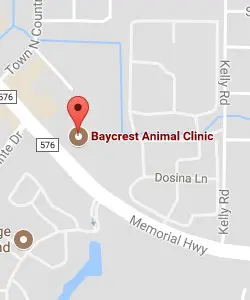
Are you looking for a trusted veterinary clinic in Town N Country, FL? You could try searching for a vet near me, or simply call Baycrest Animal Clinic to schedule an appointment and get expert advice on heartworm prevention and overall dog care.
This blog is for informational purposes only. Always consult your veterinarian for proper medical advice, diagnosis, or treatment plan for your pet, and follow their professional guidance.
Do you want to learn more about our Town N Country pet hospital? You can get a great overview at our Service page here. Or, find out about our Critical Care services here.