

Pet obesity is a growing concern for dogs and cats, affecting their overall health, mobility, and lifespan. By some estimates, well over half of the nation’s dogs and cats are, well, chubby. At Baycrest Animal Clinic, our Town N Country, FL veterinarians emphasize pet obesity awareness to help pet owners identify risks and take proactive steps to maintain a healthy weight. Overweight pets are more prone to joint problems, diabetes, heart disease, and decreased quality of life, making weight management a critical part of responsible pet ownership.
Awareness starts with understanding your pet’s ideal body condition, appropriate diet, and activity level. Regular veterinary check-ups are essential to monitor weight, identify underlying medical conditions, and provide guidance on proper feeding and exercise routines. Adjusting portion sizes, incorporating interactive play, and offering healthy treat alternatives can dramatically improve your pet’s health and well-being. By focusing on prevention and early intervention, pet owners can ensure their furry companions live longer, healthier, and more active lives.
What Is Obese For A Pet?
Animals are considered obese if they are more than 10 to 20 percent over their ideal body weight. It’s actually surprisingly easy for pets to gain that much weight. Even giving Fido or Fluffy just ten extra calories a day could cause them to pack on a pound a year. That may not be much for a human, but it’s a lot for a dog or cat!
Health Risks
Obesity is associated with some very serious health issues in both people and pets. Heart disease is one of the more well-known ones. Some other medical problems chubby pets may face include diabetes, respiratory trouble, metabolic problems, and bone/joint issues, to name just a few.
Rates Of Obesity
Studies have shown there are some trends in pet obesity. Large dogs were more likely to be overweight than small ones. They also have more trouble dropping pounds. The pooch most likely to be overweight? The pug. Nearly two thirds of these adorable pooches were, well, pudgy!
Keeping Your Pet Trim
Ultimately, pet owners are in charge of their animal pals’ diet and exercise routines. Your four-legged friend can’t get themselves a snack, or pop open a can of food as a third breakfast. The best way to keep your furry best pal trim and healthy? Pay attention to portion sizes, limit fatty treats, and make sure your animal companion is getting enough activity. Of course, your pet’s exact needs will depend on their age, breed, size, and lifestyle. Ask your vet for specific recommendations.
Treats
It probably won’t be much of a shock to learn that Fido and Fluffy’s talents for begging definitely come into play here. Don’t go overboard with treats. Generally, treats should only make up about 5 percent of your furry pal’s daily intake. You may need to brace yourself against your pet’s theatrics. Just remind yourself that you aren’t doing your little buddy any favors by overfeeding them.
The Association For Pet Obesity Prevention has some great information on pet body scoring on their site here. PetMD has a very informative article about obesity in cats, which you can read here.
FAQS
What is the ideal body condition for pets?
A healthy pet has a visible waistline, minimal fat over the ribs, and can feel but not see the ribs easily. Dogs and cats should have firm, muscular bodies without excessive fat deposits. Your veterinarian can assess your pet’s body condition score to determine if adjustments to diet or activity are needed.
What causes pet obesity?
Common causes include overfeeding, high-calorie diets, lack of exercise, and underlying health issues such as hypothyroidism or Cushing’s disease. Free-feeding, excessive treats, and table scraps can also contribute. Identifying the root cause helps guide effective prevention and treatment strategies.
What health risks are associated with pet obesity?
Obese pets are at higher risk for arthritis, heart disease, diabetes, respiratory problems, decreased mobility, and shortened lifespan. Weight gain also affects organ function and can increase anesthesia risks for surgical procedures.
How can I prevent obesity in my pet?
Measure meals based on your pet’s ideal body weight, avoid free-feeding, and limit high-calorie treats. Incorporate daily exercise appropriate for your pet’s age, breed, and health status. Regularly monitor weight and consult your veterinarian for personalized guidance.
What are signs that my pet may be overweight?
Look for lack of a visible waist, difficulty feeling ribs, decreased activity, and lethargy. Changes in appetite or sudden weight gain should prompt a veterinary evaluation.
Can diet alone help with weight management?
While diet is crucial, combining proper nutrition with physical activity is most effective. Specialized weight management diets can help reduce calorie intake while maintaining essential nutrients. Your veterinarian can recommend the best approach based on your pet’s needs.
How can I increase my pet’s activity levels?
For dogs, regular walks, play sessions, and interactive toys are excellent ways to burn calories. Cats benefit from climbing structures, laser pointers, puzzle feeders, and interactive play. Gradually increasing exercise while monitoring tolerance is key.
Are there safe treat options for weight management?
Yes. Low-calorie treats, small portions of fresh vegetables, or treats specifically designed for weight control can be incorporated into your pet’s diet without exceeding daily calorie limits. Avoid sugary, high-fat, or processed snacks.
How often should pets be checked by a veterinarian for weight management?
Regular veterinary visits, at least once or twice a year, are recommended to assess weight, body condition, and overall health. Pets on a weight loss plan may require more frequent monitoring to ensure safe, steady progress.
Can both cats and dogs develop obesity?
Absolutely. Cats, particularly indoor-only cats, and certain dog breeds prone to weight gain are at higher risk. Both species benefit from portion control, enriched environments, and regular activity.
Visit Our Town N Country Veterinary Clinic
Raising pet obesity awareness is essential for protecting your pet’s health and quality of life. By monitoring body condition, feeding appropriate diets, increasing activity, and seeking guidance from your veterinarian, you can prevent obesity and its related health complications. Baycrest Animal Clinic can provide expert advice on preventing obesity in pets, creating weight loss plans, and maintaining a healthy lifestyle for your dogs and cats.
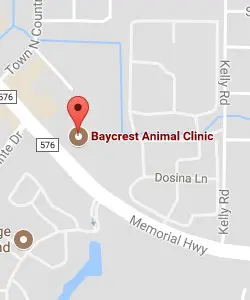
Are you looking for a trusted veterinary clinic in Town N Country, FL? You could try searching for a vet near me, or simply call Baycrest Animal Clinic to schedule an appointment and get personalized guidance on your pet’s weight management and overall health.
This blog is for informational purposes only. Always consult your veterinarian for proper medical advice, diagnosis, or treatment plan for your pet, and follow their professional guidance.
Do you want to learn more about our Town N Country pet hospital? You can get a great overview at our Service page here. Or, find out about our Critical Care services here.