


Recognizing the signs of illness or injury in pets is crucial for their well-being. While some symptoms, like a sudden limp, are clear indicators of a problem, others can be subtle and harder to identify.
Pets cannot always tell us when they are hurting, which makes animal pain awareness an essential part of responsible pet ownership. At Baycrest Animal Clinic, our Town N Country, FL veterinarians encourage owners to learn how to recognize discomfort early. Understanding subtle cues can prevent suffering and improve the overall health and well-being of your pets.
This blog will provide guidance on animal pain awareness, including signs of pain in pets, helpful pet pain management tips, and advice on how to detect discomfort in animals. By observing behavior, appetite, and movement, pet owners can catch potential issues early and seek timely veterinary care.
This comprehensive guide explores various common signs of animal pain that every pet owner should be aware of. Understanding these signs can help you take timely action, ensuring your furry friends receive the care they need. From behavioral changes to physical symptoms, being informed can make a significant difference in your pet’s health and happiness.
General
We will begin with the more universal issues. These symptoms include vomiting, diarrhea, lethargy, fever, trembling, stumbling, limping, discharge, skin/coat issues, unusual grumpiness or aggression, increased thirst, changes in waste, and refusal to eat. You should also keep an eye out for any changes in your pet’s normal behavior or vocalizations. Examples include a quiet cat that suddenly starts yowling all the time or a bird that stops chirping. Reduced interest in play, exercise, and snuggling can also indicate that something is wrong.
Dogs
Dogs often display pain more overtly than cats, but subtle signs can still be missed if you’re not paying attention. Watch for limping, difficulty standing or lying down, stiffness, or reluctance to jump and play. Vocalizations like whining, growling, or whimpering may indicate discomfort. Behavioral changes such as irritability, aggression, or withdrawal, as well as excessive licking, chewing, or scratching a particular area, are also common signs. Loss of appetite, changes in sleeping patterns, or decreased interest in walks can signal underlying pain. Early recognition allows for prompt veterinary evaluation and treatment.
PetMD has an article about Fido’s body language here. Click here to read the AKC article about dogs’ body language.
Cats
Cats are experts at hiding pain, so owners must be observant. Look for decreased grooming, hiding more than usual, reluctance to jump or climb, loss of appetite, increased irritability, hissing or growling when touched, and vocalizations such as yowling. Other signs include changes in litter box habits, avoiding interaction, or unusual postures like crouching or stretching awkwardly. Recognizing these behaviors early can help cats get treatment before pain worsens.
Pocket pets
Smaller animals are more susceptible to dental problems. Watch out for visible swelling and/or overgrown teeth. Bunnies may grind their teeth when they are hurt. Others may simply appear listless and lethargic. Other signs of pain include decreased activity, hiding, changes in eating or drinking habits, reluctance to move, or unusual postures. You may also notice changes in grooming habits, fur condition, or droppings. Vocalizations such as squeaks or teeth grinding can indicate pain, especially in rabbits. Always monitor for subtle changes in behavior and consult a veterinarian familiar with pocket pets if you suspect your pet is in discomfort. Early intervention can prevent serious health complications.
Reptiles
Reptiles are the exception when it comes to refusing food; this is normal behavior for a snake or lizard, especially one that is about to shed its skin. Watch out for stargazing. This term refers to reptiles sitting in unusual positions, such as holding their heads up to look at the sky. You should also look for pus or discharge near the eyes, nose, and mouth. Incomplete sheds are also a concern.
Tips
Every animal is unique, so do some research on your particular pet. We also recommend being cautious. If you are unsure whether your pet is in pain, contact your veterinarian just in case.
FAQS
What are common signs of pain in pets?
Pain can present in many ways, including limping, decreased activity, vocalizing, hiding, or changes in eating habits. Some pets may excessively lick or chew a specific area or show changes in their interaction with family members. Subtle signs like restlessness or sleeping more than usual can also indicate discomfort.
How does pain differ between dogs and cats?
Dogs may whine, limp, or become aggressive, while cats often hide, stop eating, or avoid interaction. Cats are particularly good at masking pain, making observation of small changes in behavior critical. Paying attention to normal routines can help detect when something is wrong.
Can small or pocket pets show pain?
Yes. Pocket pets such as rabbits, Guinea pigs, and hamsters may show pain by becoming inactive, hiding, or refusing food. Changes in grooming habits, posture, or movement can also be indicators. Owners should monitor for any unusual behavior and consult a veterinarian familiar with small species.
What role does age play in detecting pain?
Older pets may have chronic conditions like arthritis, dental disease, or organ issues. Signs of pain can include stiffness, reluctance to jump or climb, decreased appetite, and irritability. Regular veterinary exams help detect pain early and improve quality of life for senior pets.
How can pet owners manage minor pain at home?
Providing a comfortable resting area, maintaining consistent routines, and limiting strenuous activity can help. Avoid giving human medications unless directed by a veterinarian. Observing and recording any changes in behavior or mobility can aid your vet in evaluating your pet’s condition.
When should I contact my veterinarian?
Any persistent or worsening signs of discomfort should prompt a visit. Early intervention can prevent complications, reduce suffering, and allow your veterinarian to recommend pain management strategies tailored to your pet’s needs. Don’t wait until pain is obvious—subtle signs are often the first clue.
Why is awareness important for pet safety?
Recognizing pain early ensures pets receive timely care, reducing the risk of complications and improving recovery. Being aware of behavioral and physical changes empowers owners to make informed decisions about their pet’s health and well-being.
Visit Our Town N Country Veterinary Clinic
Understanding animal pain awareness is essential for keeping your pets healthy and comfortable. By observing signs of pain in pets and taking prompt action, you can prevent unnecessary suffering and ensure they receive proper care. Regular monitoring and timely veterinary visits make a real difference in quality of life.
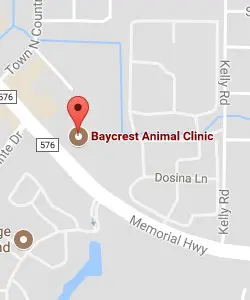
Are you looking for a trusted veterinary clinic in Town N Country, FL? You could try searching for a vet near me, or simply call Baycrest Animal Clinic to schedule an appointment and get guidance on detecting and managing pain in your pets.
This blog is for informational purposes only. Always consult your veterinarian for proper medical advice, diagnosis, or treatment plan for your pet, and follow their professional guidance.
Do you want to learn more about our Town N Country pet hospital? You can get a great overview at our Service page here. Or, find out about our Critical Care services here.