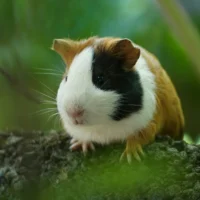


Do you have a Guinea pig? Excellent dental care is a critical component of their overall health.
Guinea pigs have continuously growing teeth, which makes dental health care for Guinea pigs a critical part of their overall well-being. At Baycrest Animal Clinic, our Town N Country, FL veterinarians stress the importance of monitoring, preventive care, and proper diet to avoid painful dental problems and maintain oral health. Understanding the signs of dental issues and how to prevent them ensures a happy, healthy pet.
A veterinarian shares some tips for keeping your Guinea pig’s teeth and mouth in good shape.
Chew Toys
Every Guinea pig needs some good chew toys. If a pig’s teeth become excessively long, they can cause gum problems or impact other teeth, resulting in pain and other issues. Chew toys and chewing sticks help file down the teeth, preventing them from becoming too long. They also give your pig an alternative chewing surface to the wire sides of their cage. Ask your veterinarian for recommendations on suitable chew toys for your Guinea pig.
Diet
Guinea pigs, like humans, cannot produce vitamin C and must rely on supplements in their diet. As a result, Guinea pigs will require plenty of vitamin C from foods such as apples, peppers, carrots, kiwi, and other fruits and vegetables to keep their teeth and other body parts strong and healthy. Make sure to remove all seeds from the fruits before giving it to your pet. Remember that Guinea pigs will also need to be fed regular pellet food as well as plenty of Timothy hay, which also helps keep the teeth ground down.
If you want more advice on what fruits and vegetables to feed your pig, or a recommendation on the best pellet food to use, contact your veterinarian.
Dental Exams
Every week or so, try to look inside your Guinea pig’s mouth. Take note of anything that appears abnormal, such as crowded teeth, discoloration, bleeding, or swelling. If you suspect there is a problem, contact your veterinarian immediately.
Look for unusual behavior
Keep an eye on your Guinea pig’s behavior, as this can indicate if something is wrong in the dental department. A Guinea pig that does not eat regularly, loses weight, or acts unusually skittish may have a medical condition. You’ll want to take your pig to the vet for a checkup.
Visit the veterinarian
Regular veterinary visits allow your Guinea pig to receive preventative care, reducing the likelihood of future problems. Make regular appointments for your Guinea pig at the pet clinic!
Cavy lovers’ site Guinea Piggles has a good article on Guinea Pig behavior, which you can find here. The Royal Society For The Prevention Of Cruelty to Animals has an article on cavies, which is here.
FAQS
Why is dental care important for Guinea pigs?
Guinea pigs’ teeth grow continuously throughout their lives. Without proper wear, teeth can overgrow, causing pain, difficulty eating, and even serious infections. Regular monitoring, a proper diet, and veterinary check-ups are essential to prevent long-term oral health issues.
What are common signs of dental problems?
Watch for drooling, reluctance to eat, weight loss, chewing on one side, or overgrown incisors. Changes in behavior, such as hiding or decreased activity, can also indicate discomfort. Early detection allows for timely intervention and prevents serious complications.
How can a proper diet help maintain healthy teeth in cavies?
A diet rich in high-fiber hay, fresh leafy greens, and safe chewable treats naturally wears down teeth. Avoid too many sugary or soft foods, which do not promote proper dental care or help wear those choppers down. Providing wooden chew toys or safe sticks can also help maintain teeth length.
How often should Guinea pigs have dental check-ups?
Regular veterinary exams at least once a year are recommended. Your veterinarian can assess tooth length, alignment, and signs of oral disease. For Guinea pigs prone to overgrowth, more frequent check-ups may be necessary.
Can dental problems affect other aspects of health?
Yes. Overgrown or misaligned teeth can lead to weight loss, digestive issues, infections, and pain. Dental health is closely linked to overall well-being, making preventive care a priority for every Guinea pig owner.
What should I do if my Guinea pig has overgrown teeth?
Veterinary intervention is required to trim overgrown teeth safely. Never attempt to cut teeth at home, as this can cause injury. Follow your veterinarian’s recommendations for dietary adjustments, monitoring, and follow-up care.
Are there preventive measures I can take at home?
Provide unlimited hay, chew toys, and leafy greens to encourage natural tooth wear. Monitor for signs of dental discomfort, and maintain a consistent feeding routine. Observing your Guinea pig’s eating habits daily helps detect problems early.
How can I care for multiple Guinea pigs in terms of dental health?
Each Guinea pig should have individual monitoring for diet and tooth wear. Ensure all have access to hay, greens, and chew toys, and observe eating behavior to detect issues quickly. Regular veterinary checks for all pets help prevent overlooked dental problems.
Do Guinea pigs require any special treatments for oral health?
In addition to routine check-ups and proper diet, some Guinea pigs may need periodic tooth filing by a veterinarian. Your veterinarian can also provide guidance on supplements or other measures to maintain strong teeth and prevent nutritional deficiencies.
Schedule an Appointment at Our Town N Country Pet Clinic
Providing proper dental health care for Guinea pigs is essential for their comfort, appetite, and overall well-being. By monitoring teeth, maintaining a high-fiber diet, and seeking regular veterinary care, you can prevent painful dental issues and ensure your pet lives a healthy, happy life. Baycrest Animal Clinic can provide guidance on Guinea pig teeth care and preventive strategies tailored to your pet’s needs.
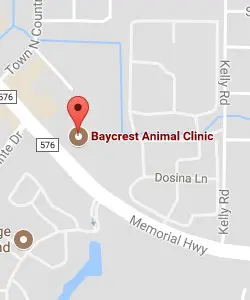
Are you looking for a trusted veterinary clinic in Town N Country, FL? You could try searching for a vet near me, or simply call Baycrest Animal Clinic to schedule an appointment and get expert advice on Guinea pig oral health and overall wellness.
This blog is for informational purposes only. Always consult your veterinarian for proper medical advice, diagnosis, or treatment plan for your pet, and follow their professional guidance.
Do you want to learn more about our Town N Country pet hospital? You can get a great overview at our Service page here. Or, find out about our Critical Care services here.