


For those of us in the southeast, summer means hurricane season. Us Floridians are definitely no strangers to these monster storms. Hurricane season can bring unexpected challenges for pet owners, and being prepared is key to keeping your pets safe. As average temperatures rise, hurricanes are growing stronger and more frequent. One advantage of hurricanes over earthquakes and tornadoes is that you have time to prepare. This is one case where it’s far preferable to get some things in order before that scary blob appears on the weather forecast.
At Baycrest Animal Clinic, our Town N Country, FL veterinarians recommend that every pet owner create a pet hurricane preparedness plan to protect dogs, cats, and small animals from storms and emergencies. Proper planning ensures your furry friends remain safe, comfortable, and accounted for during hurricanes or severe weather events.
This blog will provide practical emergency planning for pets, tips for keeping pets safe during hurricanes, and guidance on disaster readiness for pet owners. By preparing early, you can minimize stress, prevent injury, and ensure your pet receives proper care even in challenging conditions.
Update Your Pet’s ID
There are numerous tales of pets going missing following hurricanes. While many shelters now allow pets, it is not a uniform practice. Unfortunately, it is not unusual for pets to be abandoned or run away in terror during disasters.
Identification can make a huge difference if you and your animal companion were to get separated, and may very well be the only thing connecting you and your furry pal. Make sure your pet has current ID tags. We also cannot overstate the necessity of having your pet microchipped. Collars and tags can be lost or cut off, but microchips are permanent. Update your information in the chipmaker’s database and make sure your contact information is up to date. (Tip: To check, try using the Universal Pet Microchip Lookup Tool here.)
Another option is to get your pet a GPS tag. You can have ones specifically designed for dogs, but you can also obtain an air tag or something similar. Simply consider the many options before making a purchase. Range, water resistance, battery life, and, of course, subscription rates will all be important considerations. Just keep in mind that products that work with Wi-Fi may not function after a severe storm.
Maintain Proper Preventative Care
As a general rule, we always tell people to keep their pets up to date on preventative care like shots and flea and tick treatments. It is considerably easier—and more cost-effective—to prevent your pet from deadly parasites and diseases than it is to treat them.
This can come into play several ways when it comes to hurricanes. For starters, flooding may displace wildlife, some of whom may carry harmful diseases. Wet circumstances provide an ideal breeding environment for mosquitos. Mosquitoes, as you may be aware, carry heartworm, a highly dangerous parasite that can kill your pet. In addition, your animal companion may come into contact with other pets in a shelter or motel, exposing him to dangerous infestations.
Aside from the basic purpose of protecting your beloved pet from harmful parasites and diseases, there is another thing to keep in mind here. Many animal shelters and pet-friendly hotels request proof that pets have received all necessary immunizations and preventative treatment. You don’t want to be turned away for forgetting an appointment!
There are numerous solutions available, including pills, topical drops, sprays, and collars for flea and tick prevention. Talk to your veterinarian about your options to discover which is best for you. Always get these products from a veterinarian clinic, an approved retail outlet, or a website that requires a prescription. You may be able to find reduced-price items at box stores, flea markets, and other places, but use caution. Many of these may be imitations. Unfortunately, there have been reports of pets becoming extremely ill—and even dying—after being treated with some low-cost brands. Ask your vet for specific advice.
Pack a To-Go Bag
It is always a good idea to have a pack ready for your pet, not just for storms, but also for vacation, camping, and any other emergency scenarios that may arise. This is something you can—and should—do long before the storms arrive.
Here is a list of items to bring:
- Food
- Medications For Your Pet
- Supplements
- Dishes: (Note: Collapsible dishes are an excellent choice because they are lightweight.)
- A Spare Leash & Collar
- Tie-Line
- Towels
- Blankets
- Treats
- Toys
- Pet First-Aid Kit
- Litterbox And Litter (Cats)
- Muzzle (Dog)
- Dog Lifejacket
- Wipes
If you have a pocket pet, bird, or reptile, you will need to customize your pack to meet their specific needs. Make sure to go over and update perishable things including food, treats, and medications. That way, even if your bag sits unused for a few years, you won’t have to toss or replace anything. Consult your veterinarian for suggestions.
Your Pet’s Paperwork
You should also get some of your pet’s papers ready. As previously stated, hotels and shelters often require confirmation that a pet is up to date on vaccinations. You might take pictures of this material and email it to yourself or save it to the cloud so you can access it from any location. Of course, that won’t work unless cell towers are operational. We also recommended that you carry hard copies with you. Keep them in your glove compartment so you always have them on hand.
In terms of documentation, we recommend printing a list of pet-friendly shelters and hotels within a few hours’ travel. You should also keep track of weight limits, fees, and other restrictions. If you ever need to evacuate, this can save you a lot of time.
We also recommend getting a pet first aid brochure or printout. While you should always seek emergency veterinarian care if your pet is injured, you may need to administer first aid yourself before transferring him or her. Furthermore, most clinics will close during a major weather event. It is certainly preferable to have the information and not need it than to need it and not have it! You may also download an app. The Red Cross has a great one. However, if the cell service fails, the program will not work properly. That is one of the reasons why having hard copies is a good idea.
Get a carrier
Crates are always a safer choice for pets when traveling. This not only prevents your pet from wandering around the car, but it also provides additional protection in the event of an accident. If you are evacuating, you can keep your pet in a designated area.
If your dog hasn’t been crate-trained yet, we recommend that you start. Fido should be able to sleep comfortably in his kennel, even if it is not something you want him to do every night. To increase comfort, add some soft bedding and toys. You should also give the carrier your information. You can do this with a luggage tag. Alternatively, you could use a postal label. Use clear tape to make it waterproof.
Training
Of course, this is aimed primarily at dog owners. If Fido does not know basic dog behavior commands such as Sit, Stay, and Come, take the time to teach him. This can keep your dog from running away or entering a dangerous area. You should work on one command at a time. Before moving on to the next command, ensure that your adorable student has mastered the one before him.
Storms can be very dangerous for pets. Visit the ASPCA site here for helpful information about pet emergencies. The Red Cross has a great pet first aid app. You can find it on app stores here for Android and here for Apple users. Or, just text “GETPET” to 90999
FAQS
Why is hurricane preparedness important for pets?
Pets are often the most vulnerable members of the household during a natural disaster. Evacuations, power outages, flooding, and strong winds can be dangerous if pets are not properly planned for. Creating a preparedness plan allows you to react quickly, keep pets safe, and avoid situations where pets are left behind or exposed to risk.
What should a pet emergency kit include?
Your hurricane pet kit should have:
- At least 3–7 days of pet food and water
- Medications, prescriptions, and medical records
- Leashes, carriers, and harnesses
- Bedding, toys, and comfort items
- First-aid supplies for pets
- Waste disposal items like litter, bags, and cleaning supplies
- A list of emergency contacts, including your veterinarian and local boarding facilities
Having these items ready before a storm strikes can make a significant difference in your pet’s safety and comfort.
FAQS
How should I evacuate with my pets?
Use sturdy carriers for cats and small animals, and secure leashes for dogs. Identify pet-friendly shelters, hotels, or boarding facilities in advance. Never leave pets unattended in vehicles or at home during evacuations. Planning your route and backup options ensures a safe and stress-free move for your pets.
How can I prepare my home for pets during a hurricane?
Keep pets indoors, secure windows, doors, and outdoor enclosures. Bring outdoor pets inside or into a secure area. Have a safe, quiet space prepared where pets can stay calm during loud winds or heavy rain. Ensure fresh water is available and maintain regular feeding routines as much as possible.
Can senior pets or pocket pets handle hurricanes differently?
Older pets, pets with health conditions, and small animals like rabbits, Guinea pigs, or hamsters may require extra precautions. Provide additional bedding for warmth, access to medications, and comfort items. Monitor closely for stress or signs of discomfort, and consult your veterinarian if you anticipate challenges managing your pet’s health during the storm.
How do I keep pets calm during a hurricane?
Maintaining a calm demeanor helps reduce pet anxiety. Offer familiar toys, bedding, and treats. Play soothing music or speak softly to reassure them. Avoid forcing interactions if your pet wants to hide; giving them a secure space can help them feel safe during stressful weather.
Should I consult my veterinarian before hurricane season?
Absolutely. Discuss any medical needs, medications, or special care for your pets before hurricane season. Your veterinarian can provide guidance on stress management, emergency first aid, and backup options for boarding or sheltering during severe weather.
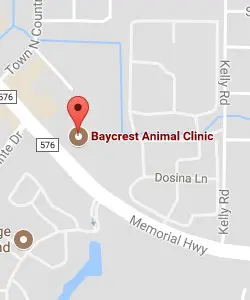
Visit Our Town N Country Veterinary Clinic
Proper pet hurricane preparedness ensures your pets remain safe, healthy, and comfortable during severe weather events. Planning ahead with emergency planning for pets and keeping pets safe during hurricanes minimizes stress and prevents injury. Baycrest Animal Clinic can help you create a personalized hurricane preparedness plan tailored to your pet’s needs.
Are you looking for a trusted veterinary clinic in Town N Country, FL? You could try searching for a vet near me, or simply call Baycrest Animal Clinic to schedule an appointment and get expert guidance on disaster readiness and safety measures for your pets.
This blog is for informational purposes only. Always consult your veterinarian for proper medical advice, diagnosis, or treatment plan for your pet, and follow their professional guidance.
Do you want to learn more about our Town N Country pet hospital? You can get a great overview at our Service page here. Or, find out about our Critical Care services here.