


If you don’t have a first-aid kit on hand for your pup, this would be a great time to get one. It’s definitely better for you to have something and not need it, than to need it and not have it. And, as we all know, Man’s Best Bud does have a knack for getting into mischief.
Accidents can happen anytime, and being prepared is key to keeping your dog safe. At Baycrest Animal Clinic, our Town N Country, FL veterinarians encourage pet owners to have a Fido’s first-aid kit ready for emergencies. A well-stocked kit can help you manage minor injuries and provide initial care before reaching a veterinary clinic.
This blog will guide you through the essential items to include in Fido’s first-aid kit, share tips for dog first-aid kit essentials, and outline emergency care for dogs at home. With a prepared kit and knowledge of proper first-aid procedures, you can respond quickly to injuries or health concerns, ensuring your dog’s safety and comfort.
Building A First Aid Kit
It’s a good idea to start with a regular first-aid kit, and then add some pet-specific items to it. Some things you may need include tweezers, tick pullers, pliers, blunt-end scissors, pen light, magnifying glass, and wire cutters. You may also want to include splints, water, cling wrap, and a blanket. A thermometer may also be helpful.
Choosing Pet-Safe Bandages
You’ll need to include things for bandaging wounds. Add things like gauze, non-stick tape, and clean towels, cotton balls, cotton swabs, and self-adhesive medical tape.
Other First Aid Items
Styptic powder, activated charcoal, hydrogen peroxide, iodine, wound wash, chlorhexidine diacetate, iodine, rubbing alcohol, and antibiotic ointment are all items you could include. Do not administer anything unless instructed to do so by your veterinarian or a helpline professional.
Storing Your Pet’s First Aid Kit
We recommend storing the kit in or near your pet’s travel bag, which should contain dishes, food, and treats. That way, if an emergency arises, you’ll already have everything you need in one place. This reduces the need for duplicate items. For example, a leash and collar would be useful in a first-aid kit as well as for travel. Add a muzzle as well: even the most gentle dog can bite if injured.
First Aid Information
In an emergency, you could waste valuable time trying to figure out what to do. Keep a pet first-aid brochure in the kit, along with your pet’s vaccination and medical records. We also recommend including the phone numbers for your veterinarian and the nearest emergency clinic. (Our phone number is 813-886-9866.) A printed list of all pet-friendly hotels and shelters within a few hours’ drive could also be useful.
If you own a smartphone, consider downloading some pet first-aid apps. The Red Cross has a great pet first aid app. You can find it on app stores here for Android and here for Apple users. Or, just text “GETPET” to 90999
FAQS
What should be in a basic dog first-aid kit?
A basic kit should include gauze pads, adhesive tape, antiseptic wipes, tweezers, a digital thermometer, and a pair of scissors. Keep hydrogen peroxide on hand to induce vomiting only if instructed by a veterinarian. Include disposable gloves, a muzzle, and a blanket for safe handling of an injured dog.
Are there items for minor injuries?
Yes. Include bandages, wound disinfectant, and antibiotic ointment for small cuts or scrapes. Tick removal tools are helpful for outdoor pets. A first-aid kit should also contain instant cold packs for bumps or bruises and a small flashlight to inspect injuries in low light.
How can I handle emergencies at home?
In case of emergencies like choking, bleeding, or poisoning, your first-aid kit can provide immediate support until you reach a veterinary clinic. Keep your veterinarian’s phone number and an emergency animal hospital contact in the kit. Knowing basic CPR for dogs and how to control bleeding can save crucial minutes in critical situations.
Should medications be included?
Include any prescription medications your dog uses regularly, as well as over-the-counter remedies recommended by your veterinarian. Always check expiration dates and store medications safely. Do not administer human medications unless specifically instructed by your vet.
How can I keep the kit organized and accessible?
Use a waterproof container or a small backpack, clearly labeled for emergencies. Store it in a location that’s easily accessible at home and portable for travel or hikes. Regularly check supplies and restock as needed to ensure your kit is ready when you need it.
Can I create a first-aid kit for pocket pets?
Yes! Pocket pets such as hamsters, gerbils, rabbits, and Guinea pigs benefit from a smaller, specialized first-aid kit. Include items like small gauze pads, tweezers, nail clippers, antiseptic wipes safe for small animals, and a small carrier for transport to your vet.
What should I do if a pocket pet gets injured?
Gently place them in a secure, warm carrier and keep them calm. Do not attempt to give medications unless specifically instructed by your veterinarian. Your veterinarian can provide guidance on treating injuries or illnesses for pocket pets safely.
Are there home-care tips for minor injuries in pocket pets?
Minor cuts or scrapes can sometimes be cleaned with gentle antiseptic solutions safe for small animals. Provide a clean, quiet environment to reduce stress and always monitor for signs of infection. Consult your vet promptly for any uncertain or worsening conditions.
Should I prepare a first-aid kit for travel?
Absolutely. When traveling with dogs, cats, or pocket pets, keep a travel-sized first-aid kit on hand. Include essentials from your home kit, plus water, small towels, and any species-specific items recommended by your veterinarian.
Visit Our Town N Country Vet Clinic
Having a Fido’s first-aid kit at home—or a small kit for pocket pets—gives pet owners peace of mind and ensures that minor injuries or emergencies are handled efficiently. By including essential items and knowing basic first-aid procedures, you can protect your dog, rabbit, or other small pets and respond quickly when accidents happen.
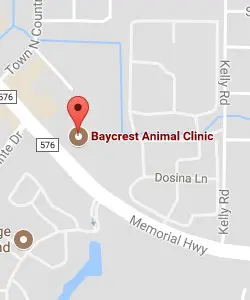
Are you looking for a trusted veterinary clinic in Town N Country, FL? You could try searching for a vet near me, or simply call Baycrest Animal Clinic to schedule an appointment and learn more about emergency care, first-aid tips, and overall health for dogs and pocket pets.
This blog is for informational purposes only. Always consult your veterinarian for proper medical advice, diagnosis, or treatment plan for your pet, and follow their professional guidance.
Do you want to learn more about our Town N Country pet hospital? You can get a great overview at our Service page here. Or, find out about our Critical Care services here.