


Feline leukemia is a serious viral disease that can impact a cat’s immune system and overall health. It is unfortunately quite prevalent among our feline pals, impacting an estimated two to three percent of them. At Baycrest Animal Clinic, our Town N Country, FL veterinarians frequently discuss feline leukemia with cat owners to help them understand the risks and preventive steps. Early awareness and care can make a big difference in protecting your feline friend.
This blog will cover what every cat owner should know about feline leukemia, including how to recognize feline leukemia symptoms, preventive measures through vaccination, and available feline leukemia treatment options. With the right information and guidance from your veterinary clinic, you can help keep your cat safe and healthy for years to come.
It Has an Effect on Fluffy’s Immunity
The FeLV virus weakens Fluffy’s immune system, making her more susceptible to secondary infections like respiratory or skin issues. Additionally, she will have a higher chance of getting some types of cancer. Additionally, the illness may drastically reduce her life expectancy.
Risk Variables
There are a number of risk factors to consider. Kittens born to FeLV-positive mothers are, of course, at the highest risk. Additionally, males have a higher risk of infection than females. Fluffy’s chances are also increased if he lives with an infected cat. Cats living outdoors and in multi-cat households are also more vulnerable.
Transmission of Feline Leukemia
You cannot contract FeLV, so don’t worry. It is highly contagious among cats, though. Bite and scratch are common methods of transmission. But Fluffy can also contract it from an infected cat by sharing bowls or litterboxes.
Feline Leukemia Vaccinations
How can you keep your cat safe from FeLV? Have her vaccinated! Kittens are typically given the vaccination when they are about two months old. Fluffy will require boosters as well. Ask your vet for recommendations.
Immunity From FeLV
Some cats can effectively become immune to the virus by fighting it off. Fluffy could spread it to other cats, though, even if she is asymptomatic and in perfect health.
Warning Signs Of FeLV
FeLV is often asymptomatic at first. It does not always progress at the same rate; however, symptoms may appear within a few weeks. Lethargy, weight loss, respiratory problems, and fever are some of the symptoms to watch for. However, because this disease is an immune issue, it can manifest in a variety of ways, including skin infections. Ask your vet for more information.
Caring For An FeLV-Positive Kitty
A FeLV-positive diagnosis is not ideal, but it is not the end of the world. Fluffy will require extra attention: you will need to be vigilant about keeping her belongings clean and ensuring she stays inside. FeLV-positive cats also require more frequent veterinary visits. But your pet can still have a great life if they receive proper care.
Taking Fluffy to the vet? Hills Pet has an article on choosing a carrier for your feline pal, which is here. PetMD also wrote about getting kitties used to their carriers. That piece is here.
FAQs
What is feline leukemia?
Feline leukemia, or FeLV, is a contagious virus that weakens a cat’s immune system and can lead to serious illness. It spreads through close contact with infected cats, including grooming, biting, or sharing food and water bowls. Understanding the disease helps cat owners take proper precautions.
What are the common symptoms of feline leukemia?
Cats with FeLV may show signs such as weight loss, lethargy, pale gums, persistent infections, or swollen lymph nodes. However, some cats may not show symptoms until later stages, which is why regular veterinary testing is crucial.
How can feline leukemia be prevented?
Vaccination is the most effective preventive measure against FeLV. Keeping cats indoors, limiting contact with unknown or outdoor cats, and maintaining routine veterinary care all help reduce the risk of infection.
What treatment options are available for infected cats?
While there is no cure for FeLV, supportive care can manage symptoms and improve quality of life. This includes regular veterinary check-ups, medications to treat secondary infections, and a stress-free home environment to support immunity.
Should all cats be tested for FeLV?
Yes. Testing helps identify infected cats early and prevents the virus from spreading to other cats. Your veterinarian can recommend the best testing schedule based on your cat’s age, lifestyle, and health history.
Visit Our Town N Country Veterinary Clinic
Understanding feline leukemia is essential for every cat owner. By following preventive steps like vaccination, testing, and careful monitoring, you can protect your cat from this serious disease and help them live a healthier life.
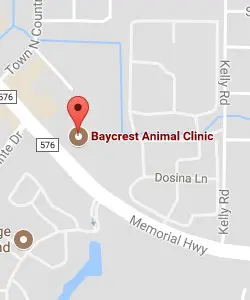
Are you looking for a trusted veterinary clinic in Town N Country, FL? You could try searching for a vet near me, or simply call Baycrest Animal Clinic to schedule an appointment and discuss prevention and care options for your cat.
This blog is for informational purposes only. Always consult your veterinarian for appropriate medical advice, diagnosis, or treatment plan for your pet, and follow their professional guidance.
Do you want to learn more about our Town N Country pet hospital? You can get a great overview at our Service page here. Or, find out about our Critical Care services here.