


Summer’s here! Overheating and dehydration are major concerns for pet owners during this time of the year. The best way to keep your pet safe from the heat is to ensure that they always have plenty of water.
Proper hydration is essential for pets’ health, especially during hot weather or periods of increased activity. At Baycrest Animal Clinic, our Town N Country, FL veterinarians emphasize ways to keep your pet hydrated to prevent dehydration, support kidney and organ function, and promote overall well-being. Understanding how to encourage drinking and monitor water intake is vital for every pet owner.
This blog will cover summer hydration tips for pets, strategies to prevent dehydration in pets, and practical hydration strategies for dogs and cats. By taking proactive steps, you can help your pets stay healthy, comfortable, and hydrated year-round.
Water stations
First and foremost, ensure that your pet’s water bowl is always filled with fresh water. Clean the bowl on a daily basis; otherwise, grime, dust, and bacteria will quickly accumulate. If you have a large house, multiple pets, and/or a yard, provide a few water stations, including outdoor ones. When it gets really hot outside, drop a few ice cubes into your pet’s bowl.
Pet fountains
Some of our pets prefer to drink from running water. (This is why so many cats drink from faucets.) Consider getting your pet a fountain.
Snacks
Choosing the right treats can also help with hydration. Offer your dog or cat a bowl of sodium-free broth on hot days. Fluffy can also have some cat milk or canned tuna in water. As for Fido, he may enjoy pupsicles. To make these, start by putting chew sticks, dog biscuits, kibble, or chunks of shredded meat into waxed paper cups or an ice cube tray. Then, pour water or sodium-free broth over them and freeze. Ask your vet for more information on safe and unsafe treats.
Automated Waterers
Automated waterers can also be helpful in making sure your furry friend doesn’t run out of water. Just pick one that is easy to clean.
Portable Options
When you take your canine companion out with you, make sure to bring water for him. You might want to consider purchasing a collapsible plastic dish that you can fold up and store in your wallet. Alternatively, get Fido a doggy water bottle with an attached bowl where he can drink from.
Food Options:
There are advantages and disadvantages to both wet and dry pet foods. However, one of the advantages of canned food is that it contains more moisture than kibble. If you choose dry food, ask your veterinarian how to add water to it.
You can read more about keeping pets hydrated at the Purina Institute’s website here. The Pet Food Institute has a helpful article on hydration here.
FAQS
Why is hydration important for my pet?
Hydration supports critical bodily functions such as digestion, kidney function, temperature regulation, and joint health. Dehydrated pets can experience serious health problems, including urinary tract issues, heatstroke, and lethargy. Ensuring your pet drinks enough water keeps them healthy and active, especially during warm months.
How can I encourage my pet to drink more water?
Encourage drinking by providing clean, fresh water at all times, ideally in multiple locations around your home. Some pets prefer running water—pet fountains can be very effective. Adding a small amount of water or low-sodium broth to dry food can also increase fluid intake, and wet food naturally provides additional hydration.
Are there fun ways to keep pets hydrated during summer?
Yes! Ice cubes or frozen treats are a great option. Dogs often enjoy chewing ice or licking frozen treats, while cats may lick ice cubes in their bowls. Adding cool, water-rich vegetables to meals, like cucumber or lettuce, is another method to boost hydration naturally.
How do I monitor for dehydration in pets?
Look for signs such as dry gums, sunken eyes, lethargy, excessive panting, or reduced urination. Check skin elasticity by gently lifting the skin over the shoulder blade—if it doesn’t return quickly, your pet may be dehydrated. Prompt veterinary attention is critical if you notice these signs.
Are some pets more at risk for dehydration?
Yes. Senior pets, overweight animals, and pets with certain medical conditions (like kidney or heart disease) are more susceptible. Brachycephalic dogs with flat faces, such as Bulldogs and Pugs, may struggle to regulate temperature and remain hydrated. Special care and monitoring are essential for these pets.
How do I keep outdoor pets hydrated?
For pets that spend time outside, provide shaded areas and refill water bowls frequently. Avoid leaving water in direct sunlight for long periods, as it can heat up or develop bacteria. Portable water bottles or travel bowls are ideal for walks or trips. Monitoring outdoor pets closely ensures they stay cool and hydrated.
Can pocket pets and cats also benefit from these hydration tips?
Absolutely. Cats often drink less water naturally, so wet food, multiple water bowls, and pet fountains help. Small pocket pets like rabbits, Guinea pigs, and hamsters also need constant access to clean water. Offering water-rich vegetables and snacks and monitoring for reduced drinking is crucial for early intervention.
How can I make hydration easier for my pet?
Set a consistent routine for checking water bowls, cleaning them daily, and offering fresh water at regular intervals. Using positive reinforcement, like praise or treats when your pet drinks, can also encourage healthy drinking habits. Tracking water intake is particularly useful for pets prone to urinary or kidney issues.
What should I do if my pet shows signs of dehydration?
Immediately offer fresh, cool water and move your pet to a shaded or air-conditioned area. Monitor them closely and contact your veterinarian for guidance. Severe dehydration or heatstroke requires prompt professional care to prevent life-threatening complications.
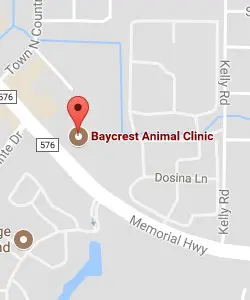
Visit Our Town N Country Veterinary Clinic
Ensuring your pets remain properly hydrated is essential for health, comfort, and longevity. Following these tips on keeping your pet hydrated, monitoring for signs of dehydration, and providing fresh water consistently can prevent serious health issues. Baycrest Animal Clinic can provide guidance on summer hydration tips for pets, monitor high-risk animals, and offer strategies for dogs, cats, and small pocket pets to stay hydrated year-round.
Are you looking for a trusted veterinary clinic in Town N Country, FL? You could try searching for a vet near me, or simply call Baycrest Animal Clinic to schedule an appointment and get expert advice on hydration, diet, and overall pet care.
This blog is for informational purposes only. Always consult your veterinarian for proper medical advice, diagnosis, or treatment plan for your pet, and follow their professional guidance.
Do you want to learn more about our Town N Country pet hospital? You can get a great overview at our Service page here. Or, find out about our Critical Care services here.