


Pets are very curious, which is one of the things that is the most fun about them. However, that inquisitiveness can backfire. Our furry friends don’t know what is and isn’t safe for them to eat or play with. Given that March is Poison Prevention Month, this is a great time to list some of the hidden dangers that may be lurking in your home. In this article, a Tampa, FL vet lists some dangers to be aware of.
Foods
While every type of pet is different, there are some things that are dangerous to all of them. That list includes garlic, onions, scallions, and chives; garlic; caffeine; alcohol; chocolate; and anything that contains xylitol. Grapes, currants, and raisins are also unsafe for many pets. Meat on the bone is on the no-no list as well, though that is more of a choking/injury hazard than a toxicity issue. Ask your vet for more information on safe and unsafe foods.
Plants
Many popular plants are also toxic to our furry friends. Some of the most dangerous ones include lilies, sago palms, tulips, daffodils, and azaleas. You can find more information on the ASPCA website here.
Salt Lamps
Those beautiful Himalayan salt lamps add a very warm, relaxing glow to any room. However, some pets (particularly cats) will try to lick them. This can cause salt poisoning, which can be deadly. Just keep yours in a spot your pet can’t reach it.
Chemicals
The average household contains quite a few chemicals that are poisonous to pets. That list includes cleaning agents, paints, automotive products, pesticides, rodenticides, and lawn/garden products, such as fertilizers or herbicides. Antifreeze is another danger. It’s highly toxic to pets, but has a flavor many of them like. Keep these out of paws’ reach, and don’t let your pet approach puddles, spills, or recently-treated areas. Better safe than sorry!
Prevention
Keep the number for the Pet Poison Helpline on hand. That number is 800-213-6680. (Charges may apply.) Ours is 813-886-9866. We also recommend getting a pet first-aid kit, which should include things like charcoal and hydrogen peroxide, as well as pet first-aid brochures. However, do not administer anything before talking to your vet or a pet poison professional.
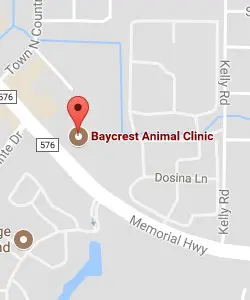
If you have questions or concerns about your pet’s health or care, contact us, your Tampa, FL animal clinic, today. We’re here to help!