


Each year, there are roughly 232,000 cases of pet poisoning here in the States. Fido and Fluffy are very curious, and they tend to investigate things by eating them. That can be adorable, but it can also be very dangerous. A Town N Country vet lists some common toxins in this article.
Baits/Traps
Mole and gopher bait, slug bait, pesticides, and rodenticides don’t only poison their intended victims: they’re also deadly to pets and other wildlife. Rodent bait, for instance, has the horrible effect of killing snakes, birds of prey, and any other animals who may eat the poisoned vermin. Opt for non-toxic pest control methods on your own property. If you’re taking Fido to a friend or family members’ place, ask if they have any traps or baits set out before letting your furry pal play in their yard.
Plants
Many popular plants are toxic to pets. Don’t let your furry friend eat tomato plants, grapes or raisins, avocados, garlic or onions, or any fruits with seeds or pits. Rhubarb leaves are also toxic to pets, and can even cause kidney failure. Many decorative plants and flowers are also unsafe. Sago palms are at the top of that list. Ingestion can be fatal to our canine pals! Other toxic plants include tulips and daffodils, azaleas, and lilies. You can find more information on safe and unsafe plants at the ASPCA website here.
Lawn/Garden Products
Fertilizers, fungicides, and other lawn/garden products are also on the list. Fido and Fluffy can ingest these toxic chemicals just by walking through a patch and then licking their paws. If you treat your property, opt for eco-friendly products. These can still be dangerous, but they’re generally safer than traditional chemicals. Also, water the area down after, so the chemicals soak into the dirt.
Other Toxins
Other common sources of poisoning include marijuana, art supplies, wine, vitamins, medication, chocolate, and household chemicals. Keep anything that may be unsafe out of paws’ reach. If you know or suspect that your pet has ingested something toxic, contact your vet or a pet poison hotline right away. The ASPCA one is (888) 426-4435. (Charges may apply.) We also recommend keeping hydrogen peroxide and activated charcoal on hand. However, only use them if and when directed to by your vet or a pet poison control resource or agency.
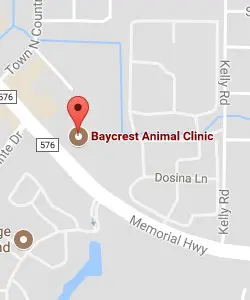
Please contact us, your local Town N Country pet clinic, anytime. We’re here to help!